
नवरात्रि के 9 रंग और हथकरघा साड़ियों के खूबसूरत लुक्स
7 अक्टूबर 2026
Each day of Navratri honours a distinct avatar of Goddess Durga, traditionally celebrated through a dedicated colour palette. Dressing in these nine hues using authentic handlooms like lightweight Maheshwari silk-cotton keeps you grounded in tradition while remaining comfortable through long rituals and energetic evenings. Here is a practical, day-by-day guide to styling handwoven sarees for every day of the festival.
Day-by-Day Navratri Colours and Handloom Styling
Day 1: Yellow (Pratipada) Yellow represents joy, brightness, and auspicious beginnings. For Ghatasthapana and morning prayers, opt for warm, glowing shades rather than harsh neons. Our Maheshwari Silk-Cotton Saree — Mustard Gold brings an understated festive radiance. Pair it with fresh jasmine in your hair, minimalist gold jewellery, and a contrasting bottle green or maroon blouse for an elegant start to the festival.
Day 2: Green (Dwitiya) Green signifies nature, growth, and fertility. Handwoven tussar or silk-cotton drapes in shades like moss, mehendi, or parrot green feel fresh and uplifting. Keep your drape simple with a classic Nivi style so the subtle sheen of handloom borders takes centre stage.
Day 3: Grey (Tritiya) Grey stands for balanced emotion and quiet strength. While grey might sound unusual for festivities, silver-grey handlooms woven with light zari borders look remarkably sophisticated. Pair a charcoal or dove-grey drape with oxidized silver jhumkas and kohl-rimmed eyes for an evening aarti.
Day 4: Orange (Chaturthi) Orange radiates warmth and positive energy. Handwoven chanderi or Maheshwari drapes in apricot, tangerine, or rust shades glow beautifully under festive lighting. Balance the vibrancy of orange with a neat raw silk blouse in beige or neutral cream.
Day 5: White (Panchami) White embodies peace, purity, and prayer. An ivory or off-white saree with a zari border offers timeless grace for mid-festival pujas. Style it with temple jewellery or pearl studs to keep the aesthetic peaceful and refined.
Day 6: Red (Shasthi) Red represents passion, power, and the fierce grace of the Goddess. For the vibrant energy of Shasthi, our Maheshwari Silk Saree — Emerald & Red with Gold Butis creates a magnificent visual. The rich crimson body interspersed with delicate gold motifs and an emerald contrast border captures the true spirit of Indian festivities without feeling heavy on the body.
Day 7: Royal Blue or Navy (Saptami) Blue reflects calmness and divine expanse. As the celebrations build toward the weekend, deep blues offer a regal, evening-ready presence. The Maheshwari Silk-cotton Saree — Navy and beige pairs rich indigo depth with the subtle grounding of neutral beige, making it effortless to wear from an afternoon gathering into an evening of dandiya.
Day 8: Pink or Wine (Ashtami) Ashtami calls for deep reverence and celebration, traditionally marked by shades of pink, berry, and wine. If you are fasting or spending long hours helping with community rituals, pure cotton is your best friend. The Cotton Saree — Wine offers breathable comfort, rich saturated colour, and the soft fall characteristic of authentic Maheshwar weaving. Accentuate it with antique gold cuffs or layered beads.
Day 9: Purple (Navami) Navami marks the culmination of the festival, associated with nobility and ambition. Deep plum, violet, or lavender handloom sarees with fine zari pallus complete the nine days on a grand note. Style with statement earrings and a neatly pinned pallu so you can move freely through the final havan and festivities.
Practical Tips for Wearing Handloom During Navratri
- Choose Breathable Blends: Garba and community pujas involve hours of standing, walking, and dancing. Silk-cotton blends give you the sheen of silk with the lightweight breathability of cotton.
- Pin Securely for Dance: Use three sturdy safety pins—one at the shoulder pleats, one securing the pleats at the waist, and one anchoring the inner border—so your saree stays firmly in place during dandiya.
- Aerate Between Wears: If you plan to re-wear sarees across the festive season, avoid immediate dry cleaning. Simply air them out in a shaded, well-ventilated room for a few hours before folding.
Quick questions
Why are Maheshwari sarees ideal for Navratri celebrations? Maheshwari sarees are woven with fine cotton and silk yarns, making them remarkably lightweight, airy, and easy to drape. They provide the rich look of festive silk without the weight or heat, which is essential during long rituals and dancing.
Can I wear cotton sarees for evening Navratri events? Yes. Deep, saturated shades like wine, indigo, or forest green in high-thread-count handloom cotton look poised and festive under evening lights, especially when paired with statement jewellery and a well-tailored blouse.
How should I care for zari borders after long festive nights? Wipe down any sweat along the neckline or waist with a dry muslin cloth. Never spray perfume directly onto zari, and store your sarees wrapped in pure cotton cloth away from moisture to prevent tarnishing.
Explore our handwoven festive collection at Zari Buta to find your favourite colours woven with care on our looms in Maheshwar.
इस लेख में
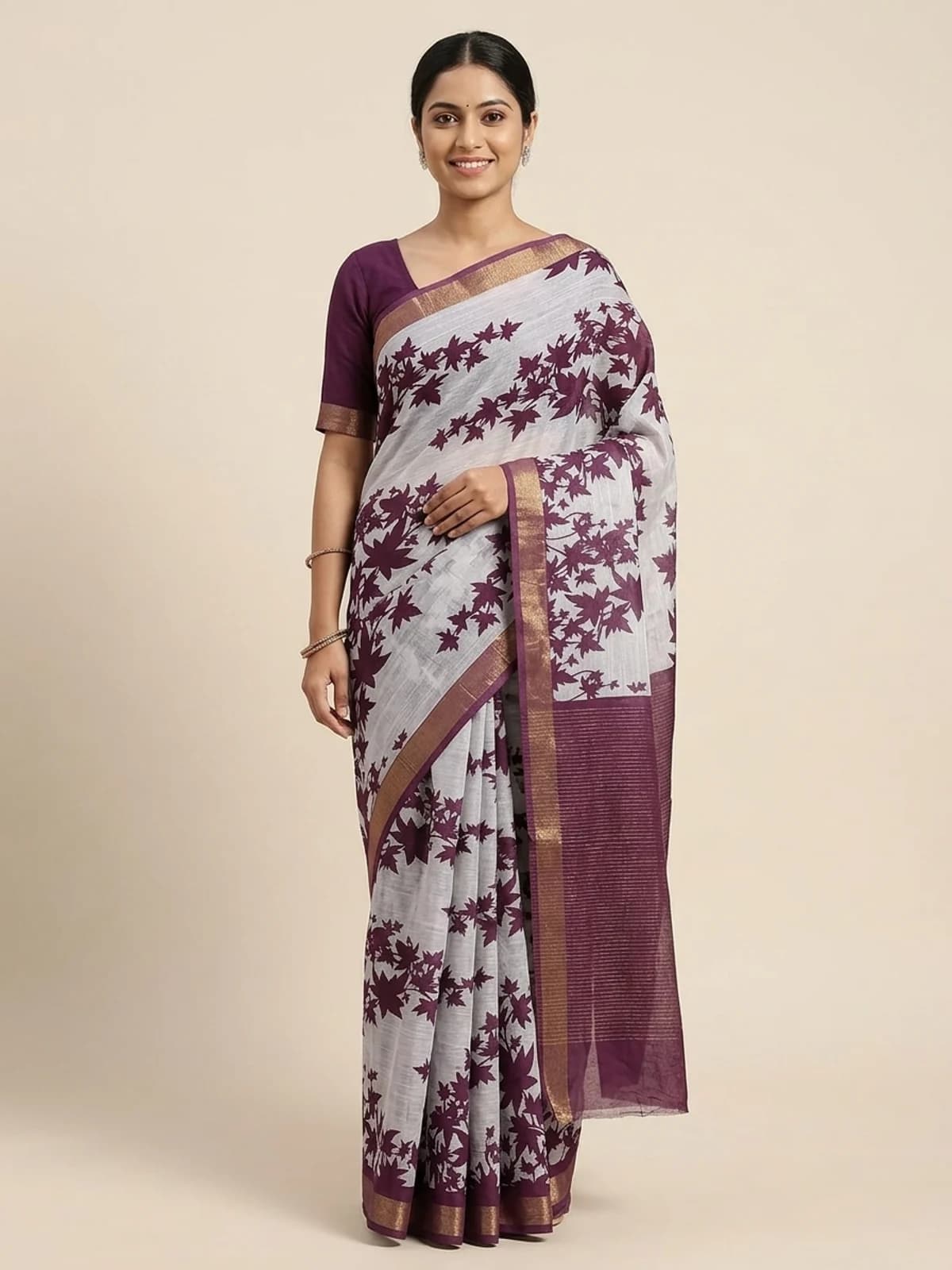
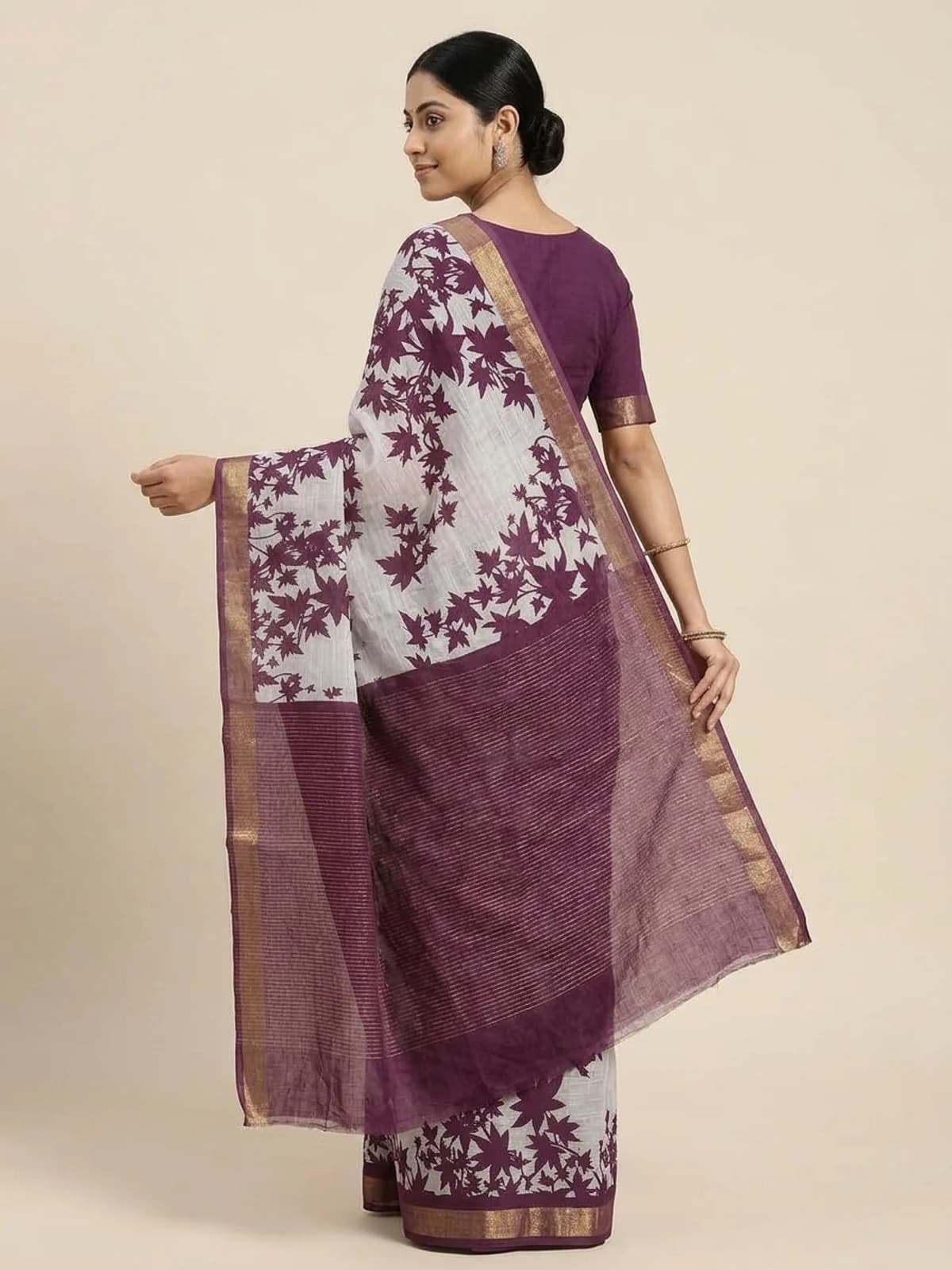
कॉटन साड़ी — वाइन
कॉटन
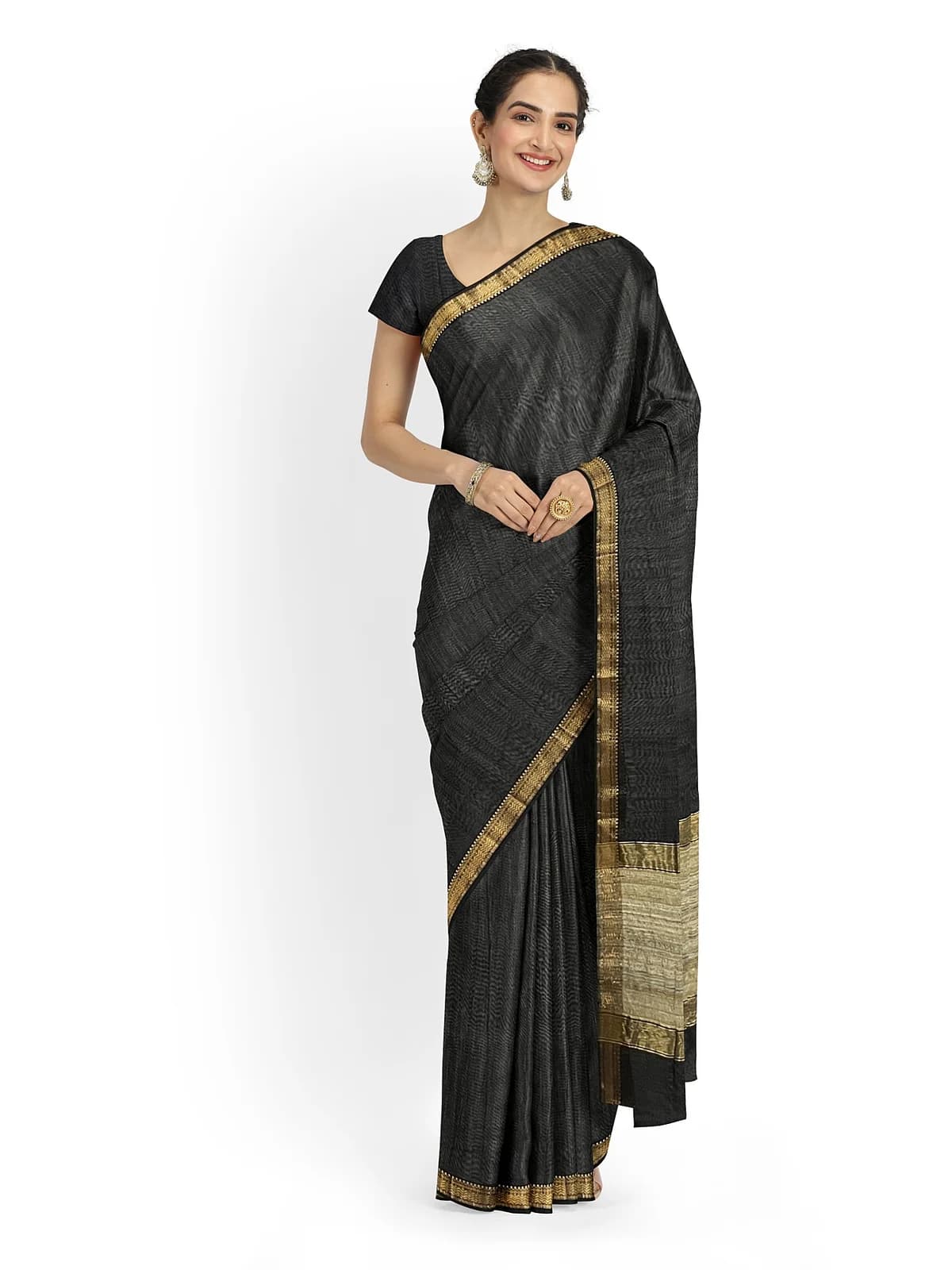
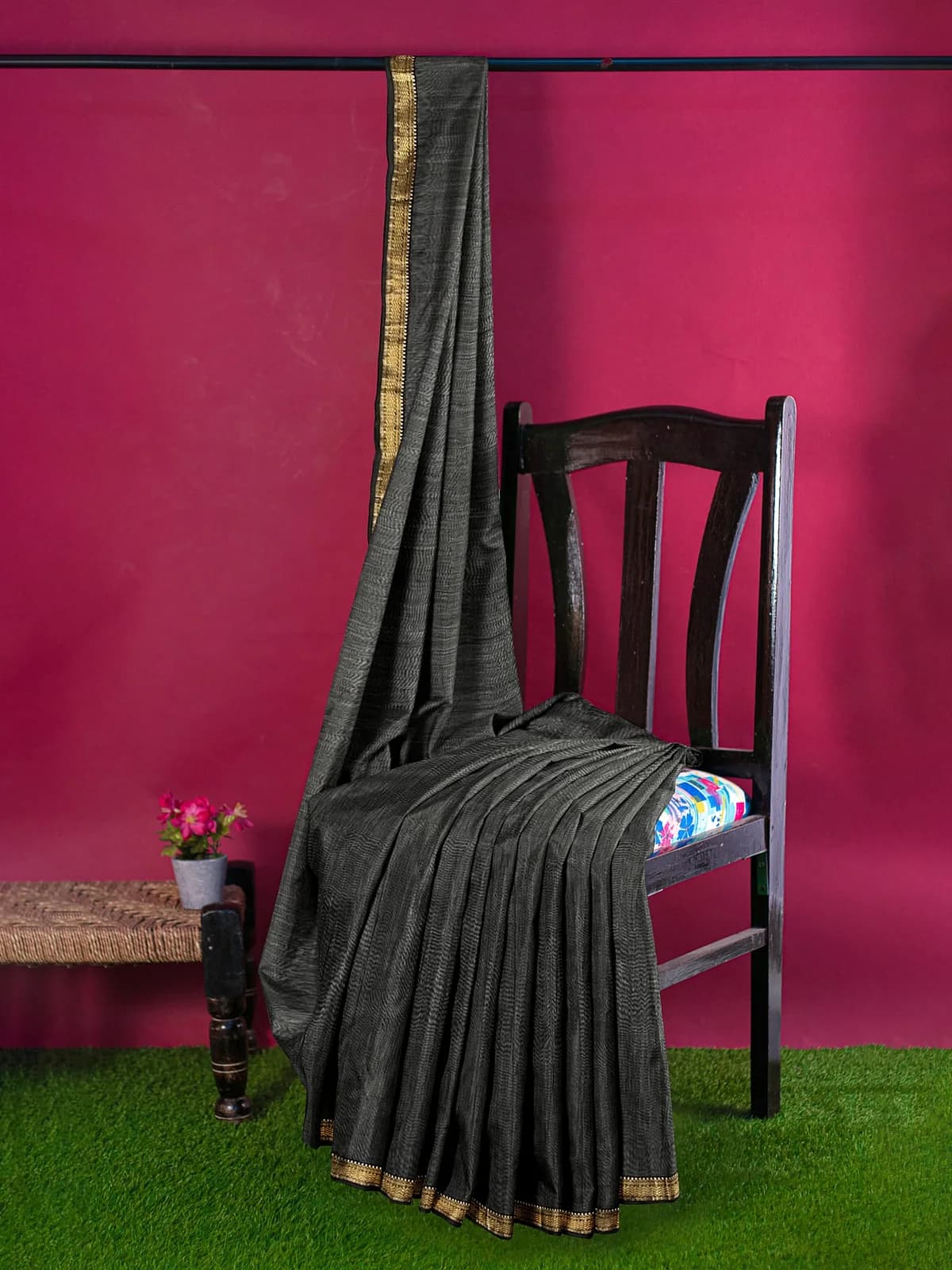
माहेश्वरी सिल्क-कॉटन साड़ी — नेवी और बेज
सिल्क-कॉटन · माहेश्वरी